Vikingtidsmuseet is one of Norway’s most significant cultural construction projects, combining construction, a historically sensitive environment and close collaboration between multiple stakeholders.
The project is commissioned by Statsbygg, with a broad range of stakeholders involved, including the museum organization and University of Oslo.
Project progress is monitored and coordinated using Zeitmaps, where almost 30 users work with different access levels. This enables transparent and up-to-date collaboration across all parties involved.
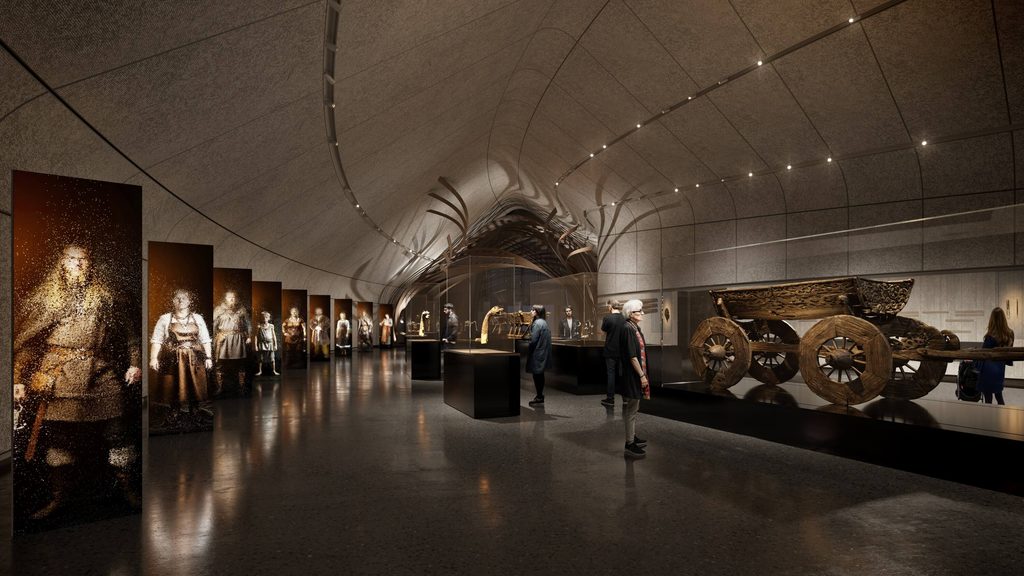
What does the Vikingtidsmuseet project consist of?
This is not a single construction effort, but a complex ensemble where multiple parallel workstreams are progressing simultaneously.
From a construction perspective, the project includes the delivery of a new museum building, integration with existing structures and extensive outdoor and infrastructure works. It also involves street-related development to ensure that all elements function together seamlessly.
From an operational perspective, the scope reaches wide, beyond construction. It includes the planning and implementation of permanent exhibitions, the establishment of museum operations, development of reception and visitor areas and the creation of educational and activity spaces.
In addition, a big part of the project is making sure different parts fit together smoothly. Dependencies between subprojects, schedules and coordination points need to be clearly understood to keep the whole project on track.
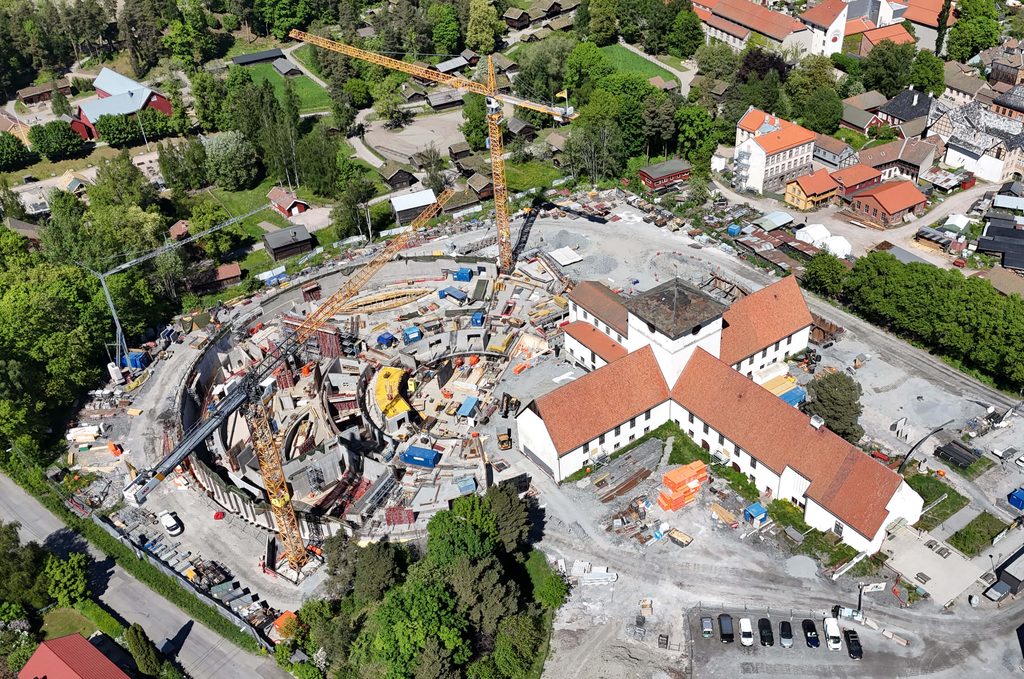
The most critical dependency in the project
A defining element of the Vikingtidsmuseet project has been the subproject that focuses on the safeguarding and relocation of the Viking ships and associated artifacts such as sledges.
In this project, the safety of the ships and sledges has been the absolute top priority, overriding all other project objectives. This work is highly specialized and has not been carried out at this scale before. As a result, planning has required continuous monitoring of the objects and a cautious, step-by-step execution approach.
From a project management perspective, this has created a unique situation:
- All other workstreams have been dependent on the safeguarding and relocation progress
- Schedules have needed frequent adjustments, often at short notice
- Coordination between teams has required constant alignment
The ships have been monitored at all times, and any updates in the plan have directly impacted the broader project timeline.
Despite these challenges, the project has reached a significant milestone. All three Viking ships have been successfully relocated, safely and ahead of schedule. The work continues with the relocation of three sledges, starting with the first phase.
How has planning been done in Zeitmaps?
In Zeitmaps, the project has been structured into clear, logical entities that support both construction and operational planning.
A part of the planning has been the definition of main milestones and interface milestones. These ensure that different workstreams progress in the correct sequence and that dependencies are properly managed.
The safeguarding and relocation work has played a central role in this structure. Its schedule has effectively acted as a moving constraint that other tasks must adapt to. This has meant that:
- dependencies are actively visualized and updated
- changes can be communicated quickly across all stakeholders
- alternative sequences can be evaluated when plans shift
On the construction side, planning covers new building works, integration of existing structures, as well as outdoor areas and infrastructure. Alongside this, operational planning includes exhibition delivery and the setup of museum activities.
A distinctive aspect of this project is the use of PDF-based base maps that have been georeferenced into Zeitmaps. This allows schedule data and spatial planning to be combined within the same view.
By linking schedules directly to a map-based context, different work phases and areas become easier to understand in practice. This is particularly valuable in a project where physical constraints and sensitive objects play such a critical role.
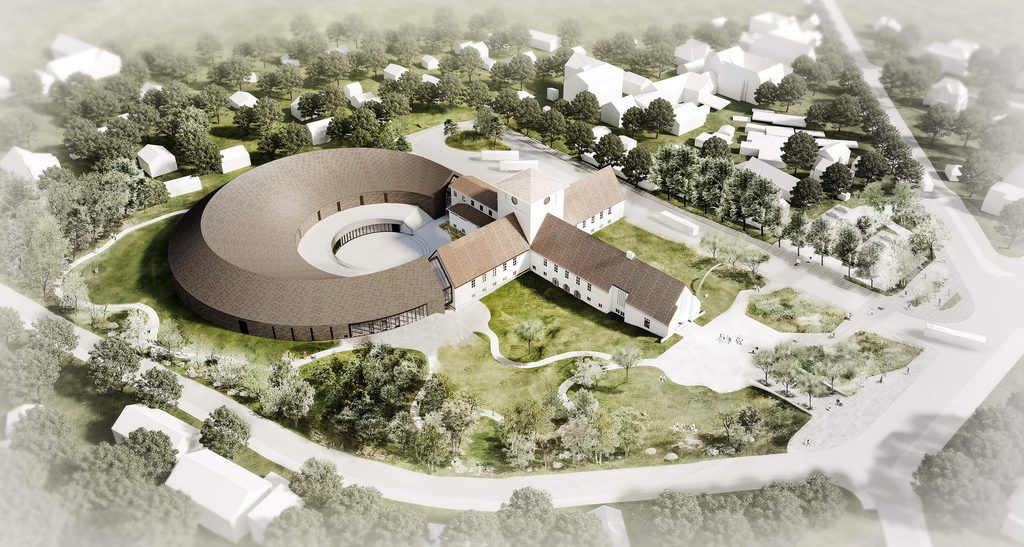
Zeitmaps in daily project work
Zeitmaps serves as a shared platform where all essential project information is brought together in one place.
Users interact with the system based on their roles. Some actively update data, while others follow project progress through read-only access. In practice, this means that the project status is continuously up to date and that changes made by different stakeholders are immediately visible. When plans change, the impact can be seen instantly across the project, allowing teams to react without delay.
In a project of this scale and sensitivity, transparency is not just beneficial, it is essential.
This article has been prepared in collaboration between the Zeitmaps team and the Vikingtidsmuseet project team.
Want to bring your own schedule and maps into Zeitmaps and see how the workflow works in practice? Head over to Zeitmaps → App to get started or contact us.